From K-culture to Korean art: chaekgeori comes to the Musée Guimet
K-pop, K-dramas and K-food have given many people a first way into Korean culture. At the Musée Guimet, the exhibition Le savoir en trompe-l’œil extends that curiosity by introducing an ancient Korean art: chaekgeori. A conversation with Marie-Lise Lahaye, curator of the Korean collections.
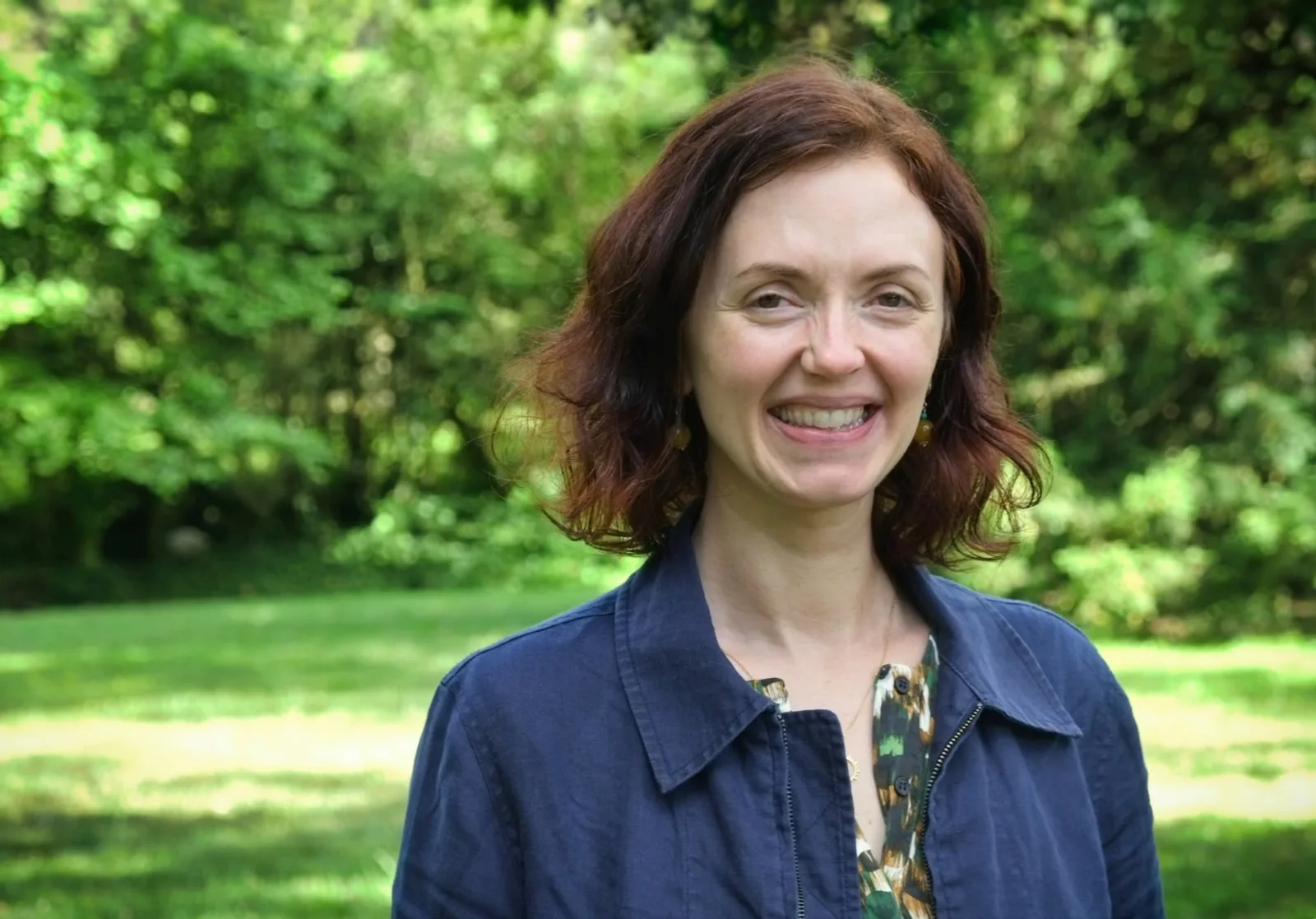
You can discover Korea through a song, a series or a dish. Then want to know more: about its history, its images and its art forms. The exhibition Le savoir en trompe-l’œil, at the Musée Guimet, sits precisely in that space between popular culture and artistic discovery.
It celebrates chaekgeori, a Korean pictorial genre that emerged at the end of the 18th century. On folding screens, books, porcelain and precious objects make up trompe-l’œil bookcases. The shelves seem to open into depth, yet they are painted flat: the illusion turns knowledge into a visual spectacle.
A curiosity that leads beyond trends
The international success of K-pop, K-dramas and K-food has made Korean culture more present in conversations and in the media. That visibility can also spark a wish to explore lesser-known fields, such as ancient Korean art. The Musée Guimet exhibition offers exactly that: moving from curiosity about contemporary Korea to the discovery of a rich artistic history.
Chaekgeori also bears witness to the exchanges that shaped art in Asia. In Beijing, Korean artists discovered Chinese cabinets of curiosities and perspective techniques from Europe. They reinterpreted them to create an aesthetic of their own in Joseon-era Korea.
Images that tell the story of a society
In these painted bookcases, the objects are more than accessories. Books evoke study; precious objects, a taste for collecting; their arrangement composes an imagined world. Chaekgeori thus offers a way into the aspirations and imagination of a society through its images.
By showing these works, the Musée Guimet broadens the way we look at Korean culture. Asian art is limited neither to a distant tradition nor to the popular trends of the moment: it brings together creations, influences and stories that still speak to audiences today.
Le savoir en trompe-l’œil. Corée, 18ᵉ-20ᵉ siècle is on show at the Musée Guimet until 4 January 2027.